What to Actually Say Thank You For: Recognizing the Teachers Who Go Above and Beyond
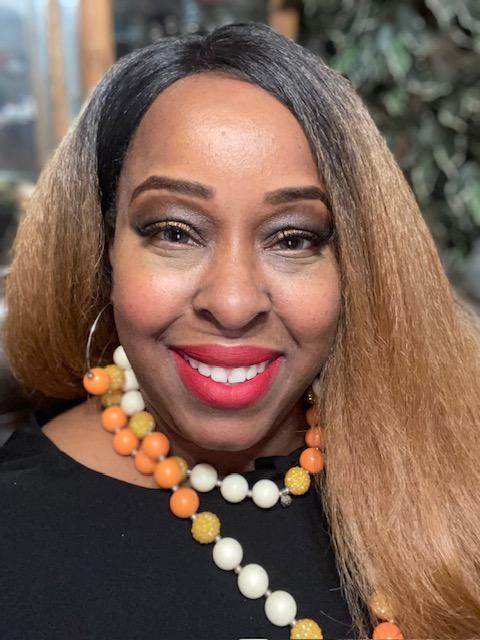
Tabaitha McKeever
Special Education Teacher & Advocate | Special Clarity
September 16, 2026
She kept it in her desk drawer. A note from a parent — two paragraphs, handwritten — that described exactly what her student had been like at the start of the year and what he could do now. Not "thank you for everything." Specific things. The reading strategy she'd tried when three others had failed. The morning check-in she'd added because she noticed he did better when someone asked how he was before the day started.
She'd been a special education teacher for eleven years. She said it was the only thank-you note she'd ever saved.
I've received a lot of thank-you notes over the years. And I want to be honest: most of them didn't stay with me. Not because the parents weren't sincere — they were — but because "thank you for all you do" doesn't tell me anything about what I did that actually mattered. The notes that stayed were the ones that named something specific. Those are the ones that made me feel genuinely seen, and that gave me real information about what was working for a particular child. — Tabaitha McKeever, Special Education Teacher
Why Specificity Changes Everything
Special education teachers, paraprofessionals, therapists, and case managers work in a field where the wins are slow, the paperwork is relentless, and the gratitude is often invisible. A thank-you that names exactly what someone did communicates two things at once: I was paying attention, and what you did mattered.
That's a different message than a gift card and a card signed by the whole class.
It also doesn't take much. Two or three specific sentences outweigh a page of general praise. The specificity is the point.
What to Name
Think about what actually changed for your child this year — or this month, or since a particular conversation. What did that teacher, specialist, or staff member do that you can trace directly to that change?
The strategy that finally worked. If a reading specialist tried something different and your child started making progress, name it. "When you switched to the decodable readers in October, something clicked. He's been reading to me every night since then. I don't think I realized how long we'd been waiting for that."
The moment someone saw your child. Teachers who notice — who pick up on what a child needs before anyone else does — are rare. If someone flagged something early, trusted your concern, or described your child in a way that felt accurate and kind: say that. "You were the first person who described her the way she actually is. That mattered more than you probably know."
The small thing that made a big difference. The morning greeting. The flexible seating. The five-minute check-in. The one time someone called to tell you something good happened, not something bad. These things cost nothing and they add up. When you notice one, name it. "Knowing you were going to call me with updates — not just when there was a problem — meant I stopped dreading my phone."
The hard conversation handled well. Some teachers deliver difficult feedback with skill and care. If someone told you something hard about your child in a way that felt honest and respectful rather than clinical and distancing, that's worth naming. "The way you talked about his challenges at the IEP meeting — like you actually knew him — made it easier to hear."
Showing up at the hard moment. If a teacher or case manager went to bat at a meeting, advocated for your child inside a system, or stood between your child and a bad decision: say so. They may not be able to tell you everything they do on your child's behalf. They'll know what you mean.
How to Say It
You don't need to write a long letter. Three sentences with something specific in them is better than three paragraphs of general warmth.
A note doesn't require a gift. A gift without a note is nice but forgettable. A specific note without a gift does more lasting work than either option.
Email works. Handwritten is kept longer. A note to their principal, copied to them, often means more than one sent directly — because recognition that gets documented matters for their career in ways a private message doesn't.
If you can only do one thing: write one specific sentence about one specific thing they did, and send it before the school year gets away from you.
A Few Phrases to Borrow
- "I've been watching for this for three years, and it happened this year because of you."
- "My child talks about you at home. That never used to happen."
- "You made the IEP meeting feel like a conversation instead of a verdict."
- "I left that meeting feeling like someone actually knew my kid."
- "You caught something everyone else had missed. That changed everything."
- "I don't know what you said to him, but he walked in differently after."
Who Often Gets Overlooked
The people most parents thank are the classroom teacher and the case manager. The people who often don't hear it:
Paraprofessionals. They spend more direct time with many children than anyone else in the building. They rarely get the notes.
Related service providers — the speech-language pathologist, the occupational therapist, the physical therapist. They work in small rooms, often behind closed doors, and families rarely see what happens there. If a therapist cracked something that had been stuck, they deserve to hear it.
The front office staff who handled your anxious calls with patience. The school psychologist who made the evaluation feel human. The principal who actually read the IEP before the meeting.
Good advocacy is a team sport, and the whole team deserves to know when they played it well.
For more on what a strong special education team looks like and what to ask for when yours isn't there yet, visit Start Here or read What a Good IEP Team Actually Looks Like.
Want to connect with other special needs parents who are navigating these same conversations? Join us in the Special Clarity Facebook community.
Explore by Topic
Need tools to go with this?
Browse our ready-to-use templates and guides — built for parents like you.
Browse ProductsLeave a Comment
Share your thoughts
Want a deeper conversation? Join the Special Clarity Parent Community on Facebook →
You Might Also Like
IEP Rights
Self-Advocacy at Every Age: Teaching Your Child to Know and Ask for What They Need
Read article →
IEP Rights
Finding Your People: How Special Needs Parent Networks Change Your Advocacy
Read article →
IEP Rights
Pathological Demand Avoidance (PDA): What It Is and Why Schools Mishandle It
Read article →
Join the Conversation
Connect with other special needs parents in our Facebook community.
Join the Facebook Group →More free articles at our sister blog: McKeever Learning Center, LLC