Private School and Special Needs: What Rights Your Child Still Has
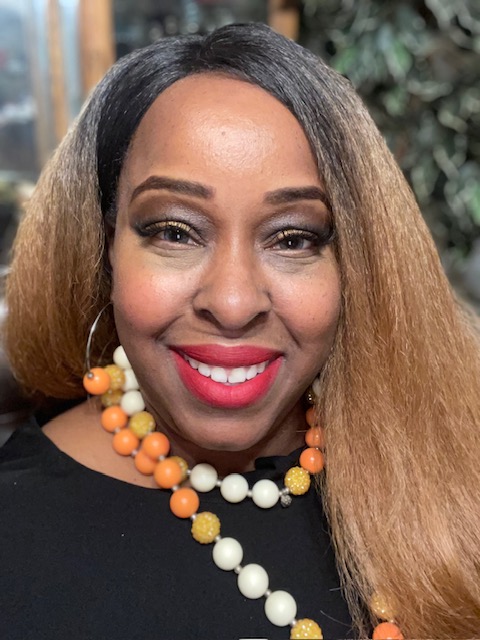
Tabaitha McKeever
Special Education Teacher & Advocate | Special Clarity
2026-04-18
Many parents choose private school for their child with a disability — for smaller class sizes, a different educational philosophy, a faith-based environment, or simply because the local public school has not been serving their child well. But a common fear holds families back: if we leave the public school system, do we lose our child's rights?
The answer is more nuanced than a simple yes or no. Your child does not lose all rights — but the rights that apply in private school are significantly different from those in public school. Understanding the difference is essential before you make the decision.
Two Very Different Situations
The rights your child has depend entirely on why they are in private school:
Situation 1: You chose to place your child in private school. If you voluntarily enrolled your child in a private school — your choice, not the school district's — your child has limited but real rights under federal law.
Situation 2: The school district placed your child in private school. If the public school district determined that the appropriate placement for your child is a private special education school and placed them there, your child retains full IDEA rights and the district pays tuition. This is a very different situation with much stronger protections.
Most of this post addresses Situation 1 — the more common scenario where parents have chosen private school on their own.
What IDEA Provides for Parentally Placed Private School Students
When you voluntarily place your child in private school, they are no longer entitled to a full IEP with all the services they would receive in public school. However, IDEA does require something called equitable participation — a proportionate share of federal special education funds must be spent on services for parentally placed private school students with disabilities.
What this means in practice:
- The public school district where the private school is located must identify, locate, and evaluate children with disabilities enrolled in private schools (Child Find obligations apply)
- The district must consult with private schools in developing a services plan for eligible students
- Children who are found eligible may receive some special education services — but not necessarily the full range they would receive in public school
- Services are provided based on the proportionate share of federal funds allocated for private school students — which is often limited
These services are delivered through a Services Plan, not a full IEP. A Services Plan is a written document describing the services the district will provide, but it does not carry the same legal weight as an IEP and does not entitle your child to the same level of service.
What Section 504 Provides in Private School
Section 504 of the Rehabilitation Act applies to any school that receives federal financial assistance. Most private schools — including religious schools — do not receive federal financial assistance and are therefore not covered by Section 504.
This means a private school that you chose and that does not receive federal funds has no legal obligation under Section 504 to provide accommodations to your child.
There are exceptions: private schools that participate in federal voucher programs or accept students using federal funds may have Section 504 obligations. Check with the school directly.
What the ADA Requires of Private Schools
The Americans with Disabilities Act (ADA) applies to most private schools — religious schools run by religious organizations are exempt. Under the ADA, private schools that are places of public accommodation cannot discriminate against students with disabilities and must make reasonable modifications to their policies and practices.
However, the ADA does not require private schools to provide special education services. It requires non-discrimination and reasonable accommodation — a meaningfully lower bar than what IDEA requires of public schools.
In practical terms, a private school covered by the ADA:
- Cannot refuse to admit a student solely because of a disability
- Must make reasonable modifications to allow a student with a disability to participate
- Does not have to fundamentally alter its program or provide services that create an undue burden
The "Unilateral Placement" Exception: When Parents Can Force the District to Pay
There is one powerful exception to the general rule that parentally chosen private school means limited rights. Under IDEA, if a public school district has failed to provide a free appropriate public education (FAPE) and a parent unilaterally places their child in a private school as a result, the parent may be able to seek reimbursement from the district for private school tuition.
This is called a unilateral private school placement, and it is one of the most significant — and most litigated — areas of special education law.
To successfully seek reimbursement, generally:
- The public school must have failed to provide FAPE
- The private school placement must be appropriate for the child
- The parent must have given proper notice to the district before making the placement
This is a high bar and typically requires legal representation to pursue. But for families where the public school has consistently failed to serve a child with significant needs, it is a real option worth knowing about.
Before You Leave the Public School System
If you are considering private school because the public school has not been meeting your child's needs, take these steps before you make the move:
1. Exhaust your options in the public school first — in writing. Document every concern you have raised, every meeting you have attended, and every service that was promised but not delivered. This documentation matters if you later seek reimbursement.
2. Give formal written notice. If you are considering a unilateral placement, you must give the district written notice of your concerns and your intent before placing your child. Failure to give proper notice can reduce or eliminate your ability to seek reimbursement.
3. Get a private evaluation. An independent evaluation that documents your child's needs and the inadequacy of the public school's program strengthens any future reimbursement claim.
4. Consult a special education attorney. Unilateral placement reimbursement is legally complex. If money is on the table, get legal advice before you act.
If You Have Already Chosen Private School
If your child is already enrolled in a private school of your choosing, here is what to do:
- Contact the public school district where the private school is located and request a Child Find evaluation. The district must evaluate your child at no cost.
- Ask about the Services Plan and what services your child may be eligible to receive from the district.
- Ask the private school what accommodations they can offer voluntarily — many private schools are willing to make informal accommodations even without a legal obligation.
- Check whether the private school receives any federal funds — if it does, Section 504 protections may apply.
The Bottom Line
Private school does not mean your child has no rights. But it does mean the rights are different — and in most cases, more limited. The full force of IDEA applies in public school. In a voluntarily chosen private school, you are working with a smaller toolkit.
Know what that toolkit contains before you make the decision — and make sure you have documented everything that happened in the public school system, just in case.
The IEP Template & Guide Pack helps you document your child's public school history, service delivery, and IEP concerns — the records you need if you ever pursue a unilateral placement reimbursement claim or return to the public school system.
The School Appeal Letter Templates include the formal written notices required before a unilateral placement, so you do not inadvertently waive your right to reimbursement by failing to follow the correct procedure.
See all resources at Special Clarity →
The information in this post is for general educational purposes only and does not constitute legal advice. Private school rights under IDEA are complex and fact-specific. If you are considering a unilateral private school placement, consult a qualified special education attorney before acting.
Need tools to go with this?
Browse our ready-to-use templates and guides — built for parents like you.
Browse ProductsLeave a Comment
Share your thoughts
Want a deeper conversation? Join the Special Clarity Parent Community on Facebook →
You Might Also Like
IEP & School Rights
Bullying and IEPs: What Parents Need to Know When Their Child Is Being Targeted
Read article →
IEP & School Rights
Summer Regression in Children With Disabilities: What It Is and How to Prevent It
Read article →
IEP & School Rights
Department of Education Cuts: What Special Needs Families Need to Know
Read article →
Join the Conversation
Connect with other special needs parents in our Facebook community.
Join the Facebook Group →More free articles at our sister blog: McKeever Learning Center, LLC